Low Heart Rate: When a Slow Pulse Is Fine and When to Worry
· 3 min
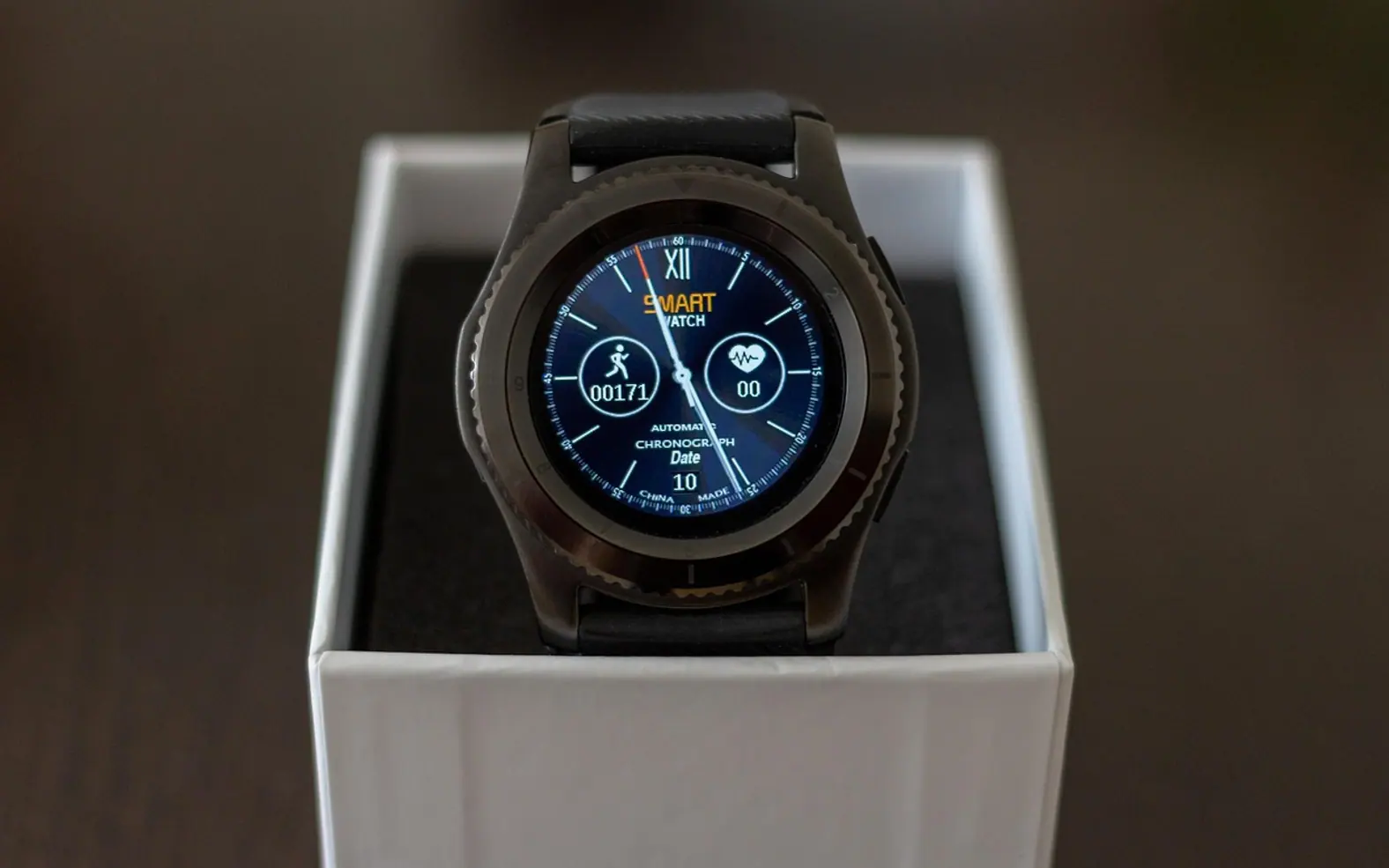
The watch buzzes over breakfast: resting heart rate 52. Yesterday it said 55, last month it was nearer 60. Is that a fitter heart, or something to ring the surgery about? For many people the honest answer is that the number alone cannot say. How you feel alongside it matters far more.
What counts as a low heart rate
For adults at rest, health services commonly describe 60 to 100 beats per minute as the usual range. A resting rate below 60 is often called bradycardia, which simply means a slow heartbeat. The label sounds alarming, but it describes a number, not a disease. Plenty of healthy adults sit in the 50s, especially people who exercise regularly, and almost everyone dips lower while asleep.
If you are not sure your reading is accurate, count by hand. The steps in how to check your pulse show how to take a fair resting count at the wrist or neck, which is a useful cross-check when a wearable gives a surprising figure.
When a slow pulse is usually nothing to fear
- You are active. Regular aerobic exercise tends to strengthen the heart so it moves more blood with each beat and needs fewer beats at rest.
- You are asleep or deeply relaxed. Heart rate naturally falls overnight; the guide to a normal sleeping heart rate explains the usual night-time dip.
- It has always been that way. Some people simply run a little slower than average throughout their adult lives.
- You feel well. No dizziness, no unusual tiredness, no breathlessness, and you can do what you normally do.
In this situation a lower figure is often a welcome by-product of healthy habits, which is partly why people try to bring their resting heart rate down in the first place.
Signs that a slow heart rate needs checking
The picture changes when a slow pulse arrives with symptoms, because they can mean the brain and muscles are not getting quite enough blood. Make a GP appointment if a low heart rate comes with any of these:
- Feeling light-headed or dizzy, particularly on standing
- Tiredness that is new or out of proportion to what you have been doing
- Getting out of breath more easily than usual
- Struggling with exercise you used to manage comfortably
- Muddled thinking or trouble concentrating
- A pulse that also feels irregular, with pauses, skips or flutters
Irregular beats are worth describing carefully, since they can feel very different from one person to the next. The article on what heart palpitations feel like lists the details a doctor will find useful.
Things that can slow the heart
A GP will usually look at the wider picture before anything else. Common contributors include:
- Medicines. Beta blockers and several other heart and blood pressure tablets are designed to slow the heart, and some eye drops and other medicines can do it too. Never stop or change a prescribed medicine on your own; talk to the prescriber or a pharmacist first.
- An underactive thyroid. A simple blood test can check this.
- Changes in the heart's wiring. With age, the electrical signals that set the rhythm can slow or become patchy, which an ECG can pick up.
- Salt and mineral imbalances. Levels of potassium and similar minerals affect the rhythm and show up on routine blood tests.
- Illness or recovery from it. Some infections and conditions temporarily affect heart rate.
Many of these are straightforward to test for and to treat, which is a good reason to mention symptoms early rather than wait.
A note on exercise and wearables
If you train regularly and your resting rate is low, your heart should still climb comfortably when you work harder. Watching how it responds across the heart rate zones can help: a heart that struggles to rise during effort, or leaves you unusually drained, is worth raising with a doctor. Wearables are handy for spotting trends, but loose straps and cold skin can make them read low, so check by hand before reacting to one strange figure.
When to call for help straight away
Call your local emergency number if a slow pulse comes with fainting or nearly fainting, chest pain, severe breathlessness, sudden confusion, or if someone is very hard to wake. These are not situations to watch and wait.
This page is general information and cannot tell you whether your own heart rate is normal for you. A GP, nurse or pharmacist who knows your history is the right person to ask.
From our side of the desk
Why our guides end with a warning list
We are three writers, not clinicians. The most useful thing we can do is explain a topic clearly and then say, without fuss, which signs deserve a professional's attention.
So every article finishes the same way. It may feel repetitive if you read several in a row, but we would rather repeat ourselves than leave out the one line someone needed.
Isolde, Dace and Leontyne
Start small
Three changes for this week
Pick one, try it for seven days, then decide whether to keep it.
Earlier last coffee
Move your final caffeinated drink to lunchtime and see how bedtime feels.
Sunscreen by the door
Keep a bottle where you pick up your keys so it joins the routine.
Morning pulse note
Count once before breakfast and write it down to build your own baseline.