What Is a Normal Sleeping Heart Rate?
· 4 min
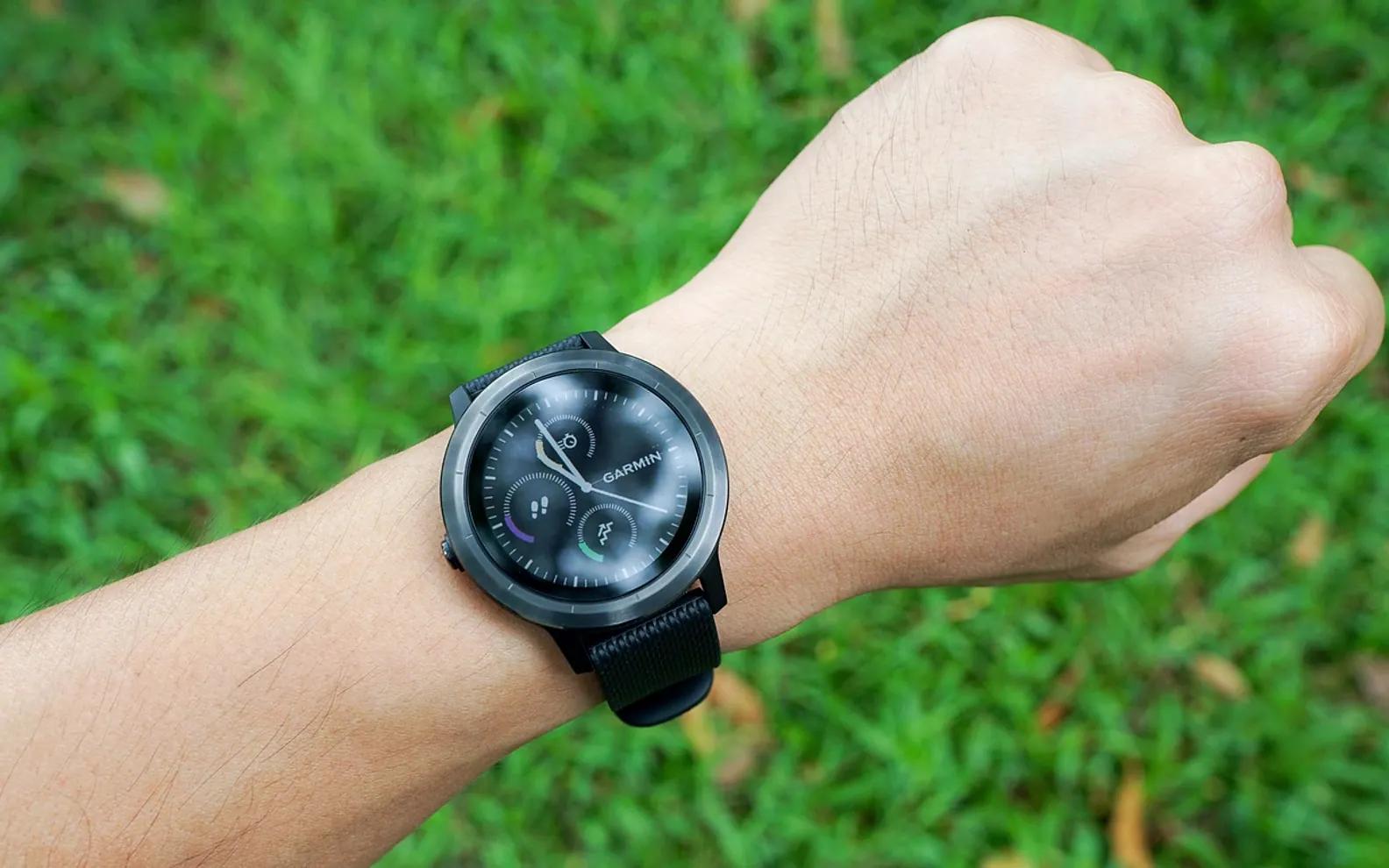
For most healthy adults, heart rate during sleep falls below their usual daytime resting rate. Adult resting heart rate is commonly quoted as 60 to 100 beats per minute, and while you sleep it tends to sit towards the lower end of that range or a little under it. Very fit people may see lower figures still. What is normal for you depends on age, fitness, health and medicines, so your own pattern over time tells you more than any single number.
Why heart rate drops at night
As you fall asleep, the nervous system shifts towards its "rest and digest" mode. Blood pressure, breathing rate and body temperature fall alongside heart rate, giving the heart and blood vessels a quieter spell. This night-time dip is a normal and healthy part of the daily rhythm.
How it changes through the night
| Sleep stage | What heart rate tends to do |
|---|---|
| Light sleep | Begins to slow as the body relaxes |
| Deep (slow-wave) sleep | Usually reaches its lowest, steadiest level |
| REM (dreaming) sleep | Becomes more variable and can climb towards waking levels |
| Brief awakenings | Jumps for a moment, then settles again |
So an overnight graph from a wearable will rarely be a flat line. Rises and falls through the night are expected.
What can raise your sleeping heart rate
- Alcohol in the evening, which is commonly linked to a higher overnight rate
- Late, heavy meals that keep digestion busy
- Hard exercise close to bedtime
- Caffeine later in the day
- Stress, worry or a difficult day
- Illness and fever, which often show up as a raised overnight figure before you feel unwell
- A warm bedroom
- Breathing problems in sleep, such as obstructive sleep apnoea, where pauses in breathing can make heart rate swing up and down
If loud snoring is part of the picture, the guide on habits that help with snoring explains which signs call for a check with a doctor.
How to keep an eye on it
You cannot count your own pulse while asleep, but there are two practical ways to build a picture:
- A morning count. Before getting out of bed, count your pulse for a full minute. The technique is set out in how to check your pulse. This waking figure sits close to your lowest daytime rate and is easy to record.
- Wearables. Watches and rings estimate overnight heart rate from the wrist or finger. They are handy for spotting trends over weeks, but they are not medical devices, and a loose fit or movement can throw readings off.
Look for patterns rather than single nights. A higher reading after a late drink or a hard evening workout is common and not a concern by itself.
Supporting a calmer heart rate at night
- Leave a gap between your last big meal or drink and bedtime.
- Schedule vigorous exercise earlier in the day where you can.
- Keep the bedroom cool, dark and quiet.
- Build regular activity into the week; the habits in how to lower your resting heart rate tend to show up in night-time readings too.
- Allow time to unwind between screens, work and sleep.
Common questions
Is a sleeping heart rate in the 40s normal?
It can be for people who are very fit, and some medicines slow heart rate too. It is worth discussing with a doctor if a low rate comes with dizziness, fainting, breathlessness, chest discomfort or unusual tiredness, or if it is new for you.
Why does my heart race when I wake in the night?
Waking from a vivid dream, a sudden noise, needing the toilet or feeling anxious can all cause a short burst. If you often wake with a pounding or fluttering heartbeat, read about what heart palpitations feel like and mention it to a GP.
Should one high night worry me?
Rarely. A single raised reading usually has an everyday explanation, such as a late meal, a glass of wine, a hard workout, a warm room or the start of a cold. Look at the following few nights. If the figure settles back to your usual range, there is little to act on. If it stays higher for a week or more without an obvious reason, or you feel unwell, it is worth mentioning to a GP.
Does sleeping heart rate go up with age?
Patterns can shift with age, fitness and health conditions. Comparing with your own earlier readings is more useful than comparing with someone else's.
When to get advice
See a GP if your overnight or morning heart rate is consistently much higher or lower than usual for you, feels irregular, or comes with snoring and pauses in breathing, waking up gasping, night sweats or heavy daytime tiredness. Call emergency services for chest pain, fainting or severe breathlessness. Never change or stop a heart medicine without talking to the prescriber first.
From our side of the desk
Why our guides end with a warning list
We are three writers, not clinicians. The most useful thing we can do is explain a topic clearly and then say, without fuss, which signs deserve a professional's attention.
So every article finishes the same way. It may feel repetitive if you read several in a row, but we would rather repeat ourselves than leave out the one line someone needed.
Isolde, Dace and Leontyne
Start small
Three changes for this week
Pick one, try it for seven days, then decide whether to keep it.
Earlier last coffee
Move your final caffeinated drink to lunchtime and see how bedtime feels.
Sunscreen by the door
Keep a bottle where you pick up your keys so it joins the routine.
Morning pulse note
Count once before breakfast and write it down to build your own baseline.