What Is a Normal Walking Heart Rate?
· 4 min
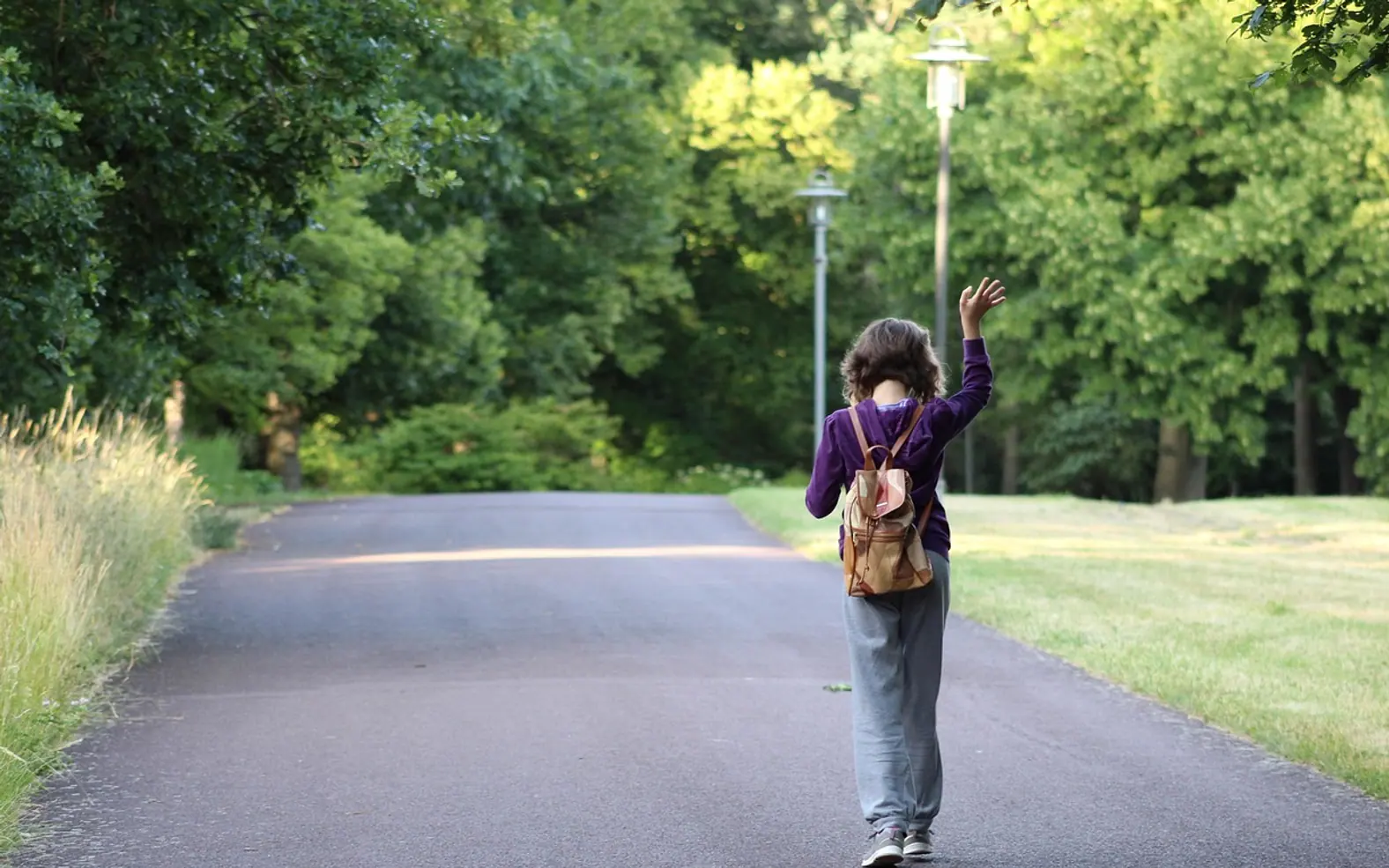
A normal walking heart rate sits above your resting rate and well below your maximum, and the exact figure depends on pace, fitness, age and surroundings. An easy stroll may lift it only slightly, while a brisk walk often brings it into the range usually described as moderate intensity. There is no single "correct" number; what matters is how the effort compares with your own resting and maximum heart rate.
Where walking fits on the scale
Exercise intensity is often expressed as a percentage of your estimated maximum heart rate, roughly 220 minus your age. Different health organisations draw the lines a little differently, but moderate intensity is commonly placed somewhere between about half and three-quarters of that maximum. For many adults a brisk walk falls into that moderate band, while a gentle stroll stays below it.
Take a 60-year-old: the estimated maximum is 160 bpm. Half of that is 80 and three-quarters is 120, so a brisk walk might register somewhere in that span. The guide to heart rate zones splits the whole range into five bands if you want more detail.
Pace and effort at a glance
| Type of walk | How it usually feels | Talk test |
|---|---|---|
| Gentle stroll | Relaxed, barely above resting effort | Can chat or even sing easily |
| Steady walk | Warm, breathing a little deeper | Conversation flows comfortably |
| Brisk walk | Purposeful, slightly out of breath | Talking is fine, singing would be hard |
| Hill or power walk | Hard work, breathing heavily | Short phrases only |
What changes your walking heart rate
- Fitness. As fitness improves, the same route often produces a lower heart rate.
- Hills, stairs and rough ground all push it up.
- Heat and humidity make the heart work harder to cool you down.
- Carrying a load, such as shopping bags or a backpack.
- Dehydration, poor sleep, caffeine and stress.
- Medicines, including beta blockers, which can keep heart rate lower than expected.
- Illness, including the tail end of a cold or other virus.
How to check it
A fitness watch gives a running estimate, although wrist sensors can be less accurate when your arms swing. For a manual check, pause at the end of a brisk stretch and count your pulse at the wrist for fifteen seconds, then multiply by four. Do it promptly, because heart rate starts falling as soon as you stop. Each step is explained in how to check your pulse.
Walking heart rate versus resting heart rate
Your resting figure is the baseline, measured after sitting quietly or first thing in the morning. Walking heart rate is the response to effort, and the gap between the two says more than either number alone. A useful habit is to note how high your heart rate climbs on a familiar route and how quickly it falls back once you stop. Over weeks of regular walking, many people find the climb gets smaller and the recovery quicker, a sign the heart is coping more easily with the same work.
Is walking considered cardio?
Yes. Walking at a pace that raises your heart rate and breathing counts as aerobic, or "cardio", activity. It is one of the simplest ways to build regular movement into a day because it needs no equipment and can be split into shorter sessions, such as a walk at lunchtime and another after dinner. Over months, regular brisk walks can contribute to a lower resting heart rate.
Turning walks into a habit
- Choose a route you like and a regular time slot.
- Start at a comfortable pace and add a brisker section once that feels easy.
- Bring in a gentle hill or a flight of steps to vary the effort.
- Walk with a friend; the talk test then happens naturally.
- Wear supportive shoes and carry water on warm days.
Common questions
Is a heart rate of 120 when walking normal?
It can be, depending on your age, fitness and pace. For one person it reflects a brisk walk; for another it is a harder effort than intended. Compare it with your estimated maximum and with how you feel.
Why is my heart rate high when I walk slowly?
Heat, dehydration, illness, poor sleep, caffeine or low fitness can all push it up. If it seems unusually high for an easy effort, particularly if that is new for you, mention it to a GP.
Signs to stop walking and seek help
Call emergency services straight away for chest pain or tightness, especially if it spreads to the arm, jaw or back or comes with breathlessness, sweating or nausea. Stop and rest if you feel dizzy, unusually short of breath or notice a racing or irregular heartbeat, and tell a GP about it. If you have a heart condition, take medicine that affects heart rate or have been inactive for a long time, check with a GP before stepping up the pace.
From our side of the desk
Why our guides end with a warning list
We are three writers, not clinicians. The most useful thing we can do is explain a topic clearly and then say, without fuss, which signs deserve a professional's attention.
So every article finishes the same way. It may feel repetitive if you read several in a row, but we would rather repeat ourselves than leave out the one line someone needed.
Isolde, Dace and Leontyne
Start small
Three changes for this week
Pick one, try it for seven days, then decide whether to keep it.
Earlier last coffee
Move your final caffeinated drink to lunchtime and see how bedtime feels.
Sunscreen by the door
Keep a bottle where you pick up your keys so it joins the routine.
Morning pulse note
Count once before breakfast and write it down to build your own baseline.