How to Get Rid of Razor Bumps
· 4 min
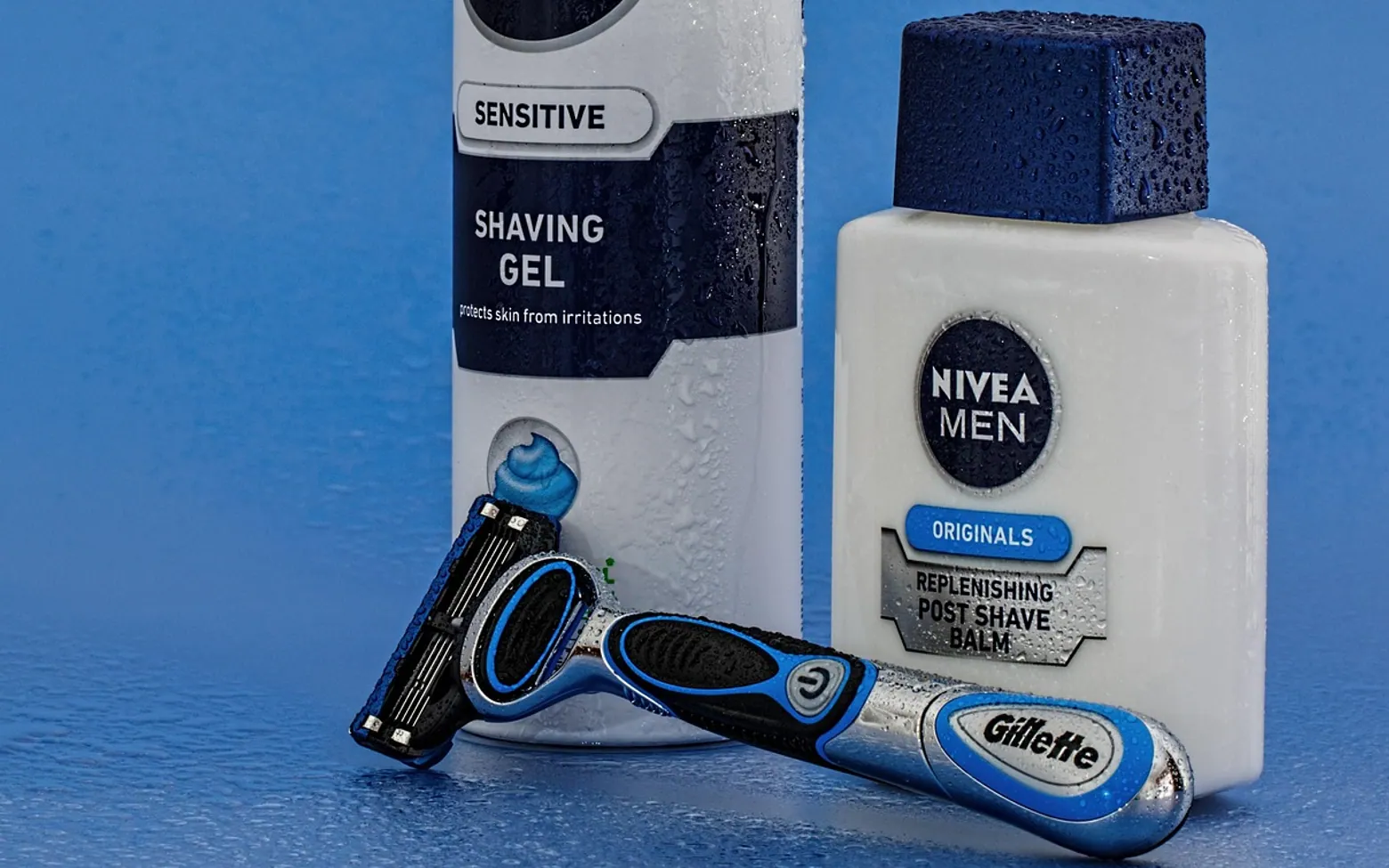
Razor bumps usually clear by themselves within a few days to a couple of weeks if you give the skin a rest from shaving. The quickest route is to pause shaving where you can, calm the skin with cool compresses and a gentle moisturiser, and then change your technique so the bumps do not come straight back.
What razor bumps are
Razor bumps form when shaved hairs curl back and grow into the skin, or never fully leave the follicle. The skin reacts to the hair much as it would to a splinter, producing small, tender, raised bumps that can itch or sting. When it keeps happening in the beard area, the medical name is pseudofolliculitis barbae. Bumps are more common in people with tightly curled or coarse hair, and they can appear anywhere you shave: face, neck, legs, underarms and the bikini line.
Razor bumps, razor burn or ingrown hair?
| Feature | Razor bumps | Razor burn | Ingrown hair |
|---|---|---|---|
| When it appears | A day or more after shaving, as hair regrows | Within minutes to hours of shaving | Whenever hair regrows after shaving, waxing or plucking |
| What it looks like | Many small bumps around hair follicles | A flushed, rash-like patch, which may look darker rather than red on deeper skin | A single bump, sometimes with a hair visible beneath the surface |
| How it feels | Tender and itchy | Burning, stinging, sore | Tender; may fill with pus |
In practice the three often overlap, and the care steps below help with all of them.
How to get rid of razor bumps
- Stop shaving the area for a while if you can. Letting the hair grow out gives trapped hairs a chance to free themselves.
- Use a cool compress to ease redness and stinging.
- Moisturise with a fragrance-free product to soothe irritated skin.
- Do not pick or squeeze. If a hair is clearly looped just above the surface, it can be gently lifted with a clean, sterilised tool, but avoid digging into the skin or pulling the hair out completely.
- Exfoliate gently once the skin has calmed, using a soft washcloth or a mild exfoliating product a few times a week. Hard scrubbing makes things worse.
- Ask a pharmacist about over-the-counter options if bumps are itchy or inflamed; they can suggest something suited to your skin.
Shaving habits that help prevent them
- Soften the hair first with warm water, ideally at the end of a shower.
- Use a shaving gel or cream rather than shaving dry or with ordinary soap.
- Shave in the direction the hair grows, not against it.
- Use a sharp, clean blade and rinse it after every stroke.
- Avoid stretching the skin tight while shaving, which lets hairs spring back below the surface.
- Make fewer passes over the same patch.
- Try an electric trimmer that leaves short stubble if bumps keep returning.
- Rinse with cool water and moisturise afterwards.
Some people find a single-blade razor kinder than a multi-blade one because it cuts the hair less closely. It is worth a try if you are prone to bumps.
Shaved skin in warm weather
Freshly shaved skin can feel more sensitive in heat and sun. Tight clothing and sweat can aggravate bumps, and the tiny itchy spots that crop up in skin folds on hot days are sometimes heat rash rather than shaving irritation. Before heading outdoors, apply sunscreen to shaved areas once any stinging has settled, choosing a gentle, fragrance-free formula; the guide to choosing a sunscreen covers textures for sensitive skin. If your shins or shoulders are already sore after a day outside, the steps for soothing sunburn come first, and shaving can wait until the skin has healed.
Frequently asked questions
How long do razor bumps last?
Mild bumps often settle within a few days once you stop shaving the area. Stubborn or repeated cases can take longer and may call for a different way of removing hair.
Are razor bumps permanent?
Usually not, but repeated inflammation can leave dark marks or, less often, raised scars. That is a good reason to treat them early and leave them alone.
How do I get rid of razor burn quickly?
Stop shaving the area, rinse with cool water, apply a fragrance-free moisturiser and wear soft, loose clothing over it. Most razor burn eases within a few days.
When to see a professional
See a GP, pharmacist or dermatologist if bumps are painful, filled with pus, spreading, or accompanied by a fever, as these can be signs of infection. It is also worth getting advice if bumps keep returning despite changes to your routine, or if they leave dark patches or raised scars. A professional can suggest treatments or other hair-removal methods that suit your skin and hair type.
From our side of the desk
Why our guides end with a warning list
We are three writers, not clinicians. The most useful thing we can do is explain a topic clearly and then say, without fuss, which signs deserve a professional's attention.
So every article finishes the same way. It may feel repetitive if you read several in a row, but we would rather repeat ourselves than leave out the one line someone needed.
Isolde, Dace and Leontyne
Start small
Three changes for this week
Pick one, try it for seven days, then decide whether to keep it.
Earlier last coffee
Move your final caffeinated drink to lunchtime and see how bedtime feels.
Sunscreen by the door
Keep a bottle where you pick up your keys so it joins the routine.
Morning pulse note
Count once before breakfast and write it down to build your own baseline.