How to Choose a Sunscreen
· 4 min
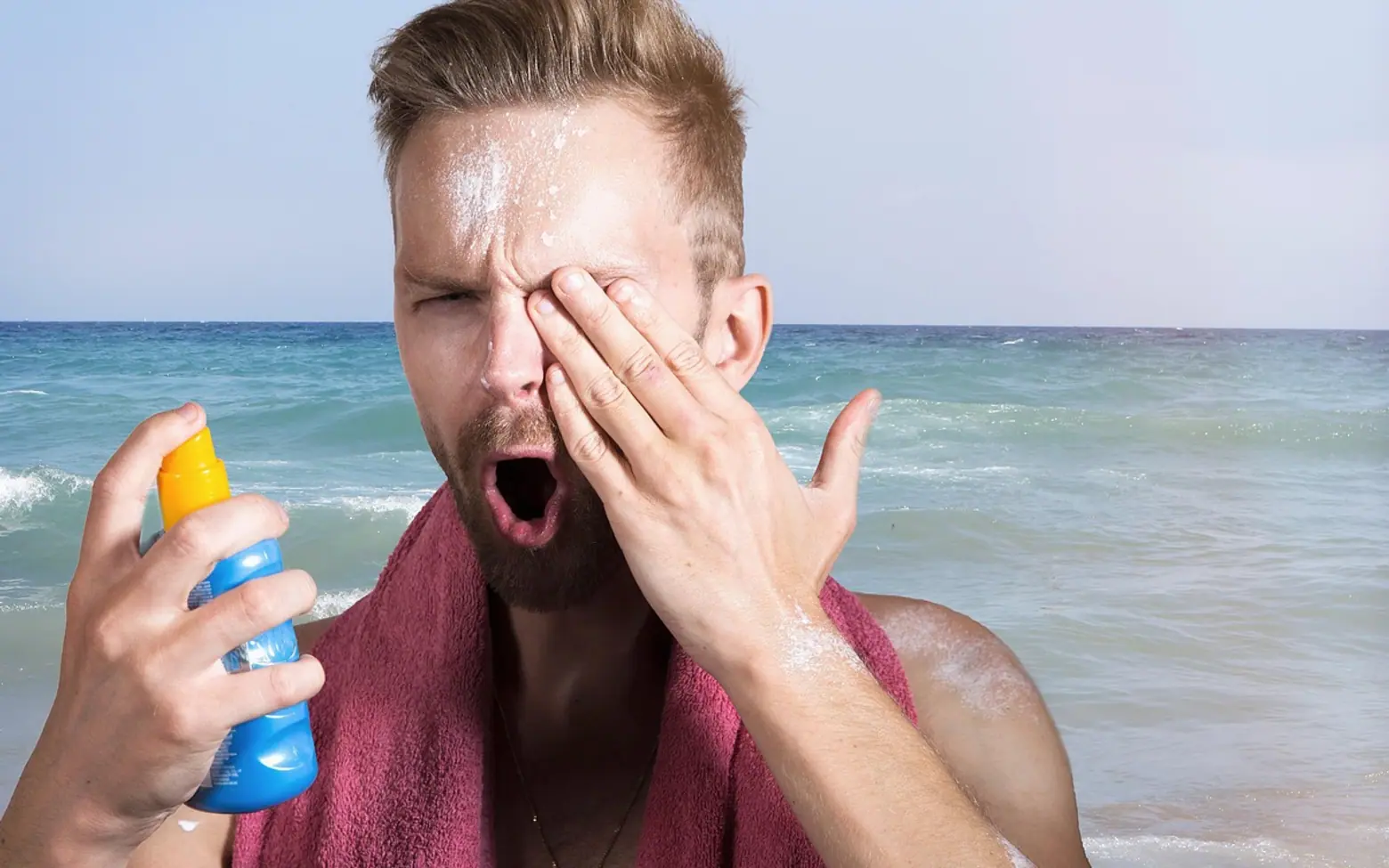
Stand in front of the sunscreen shelf in early summer and the choice can feel overwhelming. Bottles shout numbers, stars, circles, "sport", "sensitive" and "invisible". Yet the decision comes down to a few questions: how well the product protects against both kinds of ultraviolet light, whether it suits your skin and your plans for the day, and whether you will like it enough to put it on properly.
This article explains the labels in general terms. Rules for how sunscreens are tested and labelled differ between countries, so check the guidance that applies where you live, and ask a pharmacist if you are unsure.
Two kinds of rays, two kinds of protection
Sunlight contains UVB and UVA rays. UVB is mainly responsible for sunburn, while UVA reaches deeper into the skin and is linked with skin ageing. Both play a part in skin damage over time, which is why you want a product that covers the two.
- SPF describes protection against UVB. A higher number means more protection against burning, provided the product is applied generously and reapplied.
- UVA protection is shown differently depending on where you shop. You may see a star rating, the letters UVA in a circle, or the words "broad spectrum". Each signals that UVA has been considered alongside UVB.
Many health organisations suggest choosing a high SPF, often at least 30, together with good UVA protection. Follow the advice of the health service in your own country if it differs.
Match the formula to your day
| Format | Suits | Watch out for |
|---|---|---|
| Lotion or cream | Most skin types, easy to see where it has gone | Can feel heavy on oily skin |
| Gel or fluid | Oily skin, hairy areas, everyday face wear | Some contain alcohol, which can sting dry skin |
| Spray | Quick top-ups on backs and legs | Easy to miss patches; avoid breathing it in and spray into hands for the face |
| Stick | Lips, ears, nose and around the eyes | Slow to cover large areas |
If you will be swimming or sweating, look for a product labelled water resistant. That label does not mean waterproof: you still need to reapply after getting out of the water or towelling off.
Think about your skin
Sensitive or reactive skin
Fragrance-free products are a sensible starting point. Some people with sensitive skin get on better with mineral filters such as zinc oxide or titanium dioxide, which sit on the surface of the skin, while others are perfectly comfortable with chemical filters. Try a new product on a small patch of skin first if you tend to react.
Oily or breakout-prone skin
Lighter gels and fluids labelled non-comedogenic or "oil-free" may feel more comfortable. Matte finishes can help if shine bothers you.
Darker skin tones
All skin can burn and be damaged by the sun, whatever its colour. Some mineral sunscreens leave a pale cast on deeper skin tones; tinted versions or chemical-filter products often blend in better.
Checks before you buy
- Look for both a high SPF and a UVA marking on the same bottle.
- Check the expiry date, and throw away old bottles that have separated or changed smell.
- Pick a texture you enjoy, because a product left in the bag protects nobody.
- Consider a separate lip balm with SPF, since lips are easy to forget.
- Store bottles out of direct heat, for example in the shade or in a bag rather than on a hot car dashboard.
Using it well
Most people apply less sunscreen than the amount used in testing, which means they get less protection than the label suggests. Be generous, cover every exposed area including ears, the back of the neck and the tops of the feet, and follow the reapplication advice on the bottle. Sunscreen works best as one layer of protection among several: shade during the strongest midday sun, a wide-brimmed hat, sunglasses and loose clothing that covers the shoulders all count.
If you are adding more outdoor walks to your week, perhaps as one of the habits in our guide to lowering your resting heart rate, keep a small bottle by the door so it becomes part of heading out.
When to ask for advice
Babies and young children have delicate skin; ask a pharmacist or health visitor about keeping them out of strong sun and which products suit their age. Speak to a pharmacist or GP if a sunscreen causes a rash, itching or swelling, or if you take a medicine that may make your skin more sensitive to light. And see your GP promptly if you notice a mole that changes in size, shape or colour, bleeds, or a sore patch of skin that does not heal.
From our side of the desk
Why our guides end with a warning list
We are three writers, not clinicians. The most useful thing we can do is explain a topic clearly and then say, without fuss, which signs deserve a professional's attention.
So every article finishes the same way. It may feel repetitive if you read several in a row, but we would rather repeat ourselves than leave out the one line someone needed.
Isolde, Dace and Leontyne
Start small
Three changes for this week
Pick one, try it for seven days, then decide whether to keep it.
Earlier last coffee
Move your final caffeinated drink to lunchtime and see how bedtime feels.
Sunscreen by the door
Keep a bottle where you pick up your keys so it joins the routine.
Morning pulse note
Count once before breakfast and write it down to build your own baseline.