How to Get Rid of Sunburn: Soothing Red, Sore Skin
· 4 min
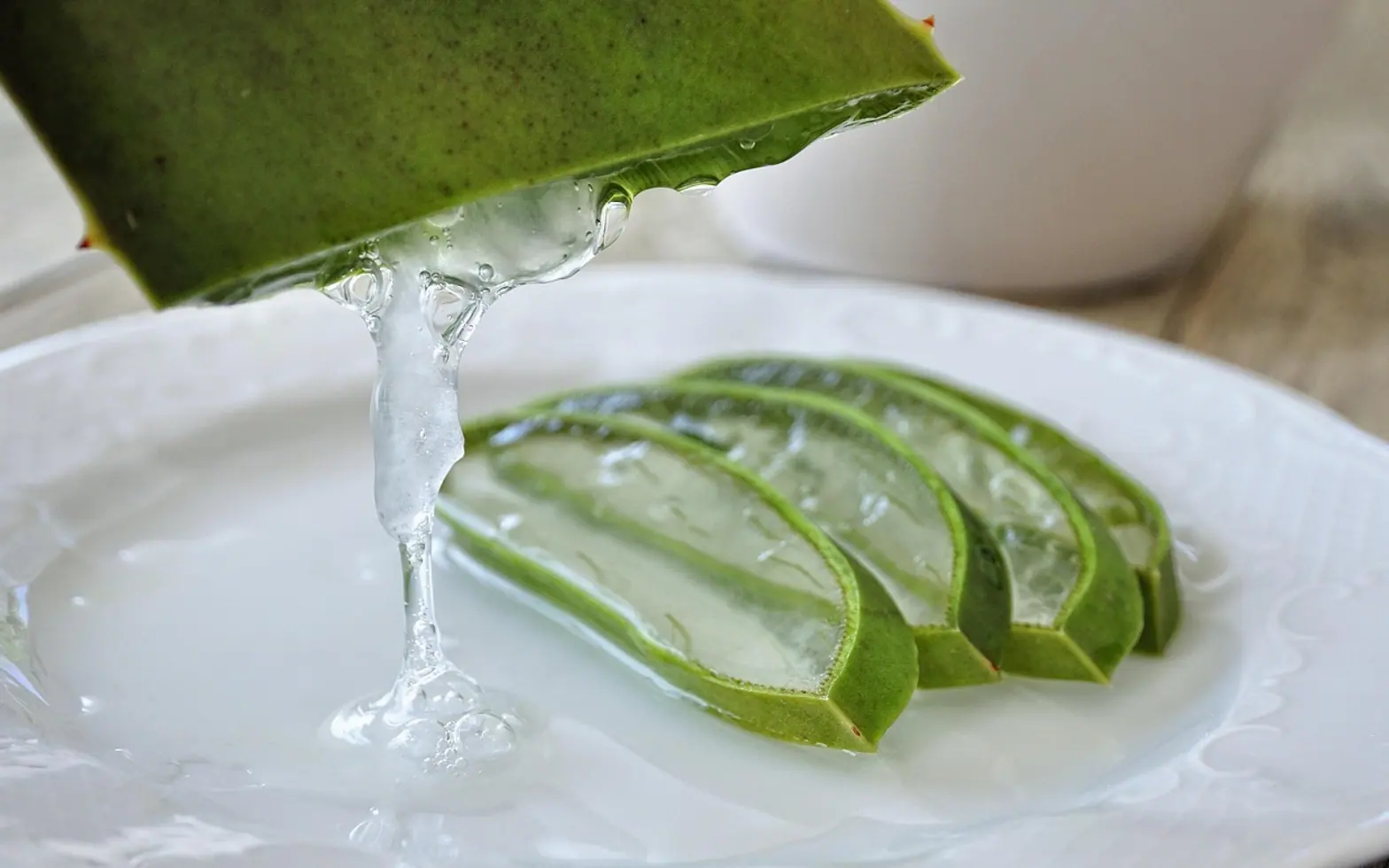
Sunburn cannot be switched off once it has happened, but you can cool the skin, ease the soreness and give it the best conditions to recover. Most mild burns settle on their own over several days. The steps below focus on comfort and on avoiding things that make the damage worse.
Sunburn is the skin's inflammatory reaction to too much ultraviolet (UV) radiation. Redness, heat, tenderness and sometimes swelling or blisters build over the hours after exposure, which is why a burn often looks and feels worse in the evening than it did at the beach or in the garden.
First steps: get out of the sun and cool down
- Move into the shade or indoors as soon as you notice pink, hot or stinging skin. Every extra minute of UV adds to the injury.
- Cool the skin gently. A cool (not icy) shower or bath, or a clean cloth soaked in cool water and laid over the area, can draw out some of the heat. Pat the skin dry afterwards rather than rubbing it.
- Apply a light, soothing moisturiser while the skin is still slightly damp. Aloe vera gel or a plain, fragrance-free lotion is a common choice.
- Drink water. A burn pulls fluid towards the skin surface, and a long day in the heat may have left you short already.
- Wear loose, soft clothing in a breathable fabric so nothing rubs against the sore patches.
What to put on sunburn, and what to skip
The aim is to calm the skin without trapping heat or adding irritants. A quick comparison:
| Usually helpful | Better avoided |
|---|---|
| Aloe vera gel or a light, fragrance-free moisturiser | Thick, greasy ointments such as petroleum jelly on a fresh burn, which can hold heat in |
| Cool compresses and cool showers | Ice or ice packs pressed straight onto the skin |
| Loose cotton or linen clothing | Tight waistbands, straps and rough fabrics |
| A lukewarm soak with colloidal oatmeal if the burn itches | Numbing sprays and creams ending in "-caine", which irritate some people's skin |
| Plenty of water through the day | Alcohol, which adds to dehydration |
Over-the-counter pain relief can make a sore burn easier to live with. Ask a pharmacist which option suits you, particularly if you take other medicines, are pregnant or have a long-term condition, and follow the directions on the pack.
Can you get rid of sunburn redness overnight?
Not completely. Redness comes from widened blood vessels and inflammation in the skin, and that process calms down over days rather than hours. What you can do before bed is make the skin feel less hot and tight:
- Take a cool shower and apply aloe vera or a gentle moisturiser afterwards.
- Keep the bedroom cool and use light, breathable bedding.
- Choose a sleeping position that keeps pressure off the worst-affected areas.
- Leave a glass of water by the bed.
By morning the colour may look a little softer, but expect it to fade gradually over the following days. On deeper skin tones a burn often shows up as darkening, tightness and tenderness rather than obvious redness; the guide on whether black skin can get sunburn describes those signs.
Blisters and peeling
Blisters mean the burn has gone deeper into the skin. Leave them intact, since the roof of a blister shields the raw layer underneath from infection. If one breaks by itself, wash the area gently with mild soap and water and cover it loosely with a clean, non-stick dressing.
Peeling tends to start a few days in. It is the skin shedding damaged cells, and it can itch. Keep moisturising, resist pulling at loose flakes and let them come away in their own time.
Mistakes that slow recovery
- Heading back into strong sun before the skin has healed. Cover up and stay in the shade while it recovers.
- Scrubbing, exfoliating or using perfumed products on burnt skin.
- Assuming that cloud or a swimming pool protects you. UV passes through light cloud and bounces off water, sand and snow.
- Mistaking a different problem for sunburn. Clusters of small, itchy bumps in sweaty areas point more towards heat rash, which calls for a slightly different approach.
Preventing the next one
A burn is a sign that UV has damaged skin cells, and repeated burns raise the risk of skin cancer later in life. Shade around the middle of the day, clothing, hats and sunglasses do much of the work. For exposed skin, a broad-spectrum sunscreen applied generously and topped up regularly matters more than the brand on the bottle. Our guide on how to choose a sunscreen explains SPF, UVA labels and water resistance.
Questions people often ask
How long does sunburn last?
A mild burn usually eases within a few days, although peeling may carry on a little longer. Deeper burns with blistering take more time to heal.
Should you pop sunburn blisters?
No. Popping them opens the skin to infection and can slow healing.
Does a tan protect against further burning?
A tan is itself a response to UV damage and offers only limited protection. It is no substitute for shade, clothing and sunscreen.
When to get medical help
Speak to a pharmacist, GP or urgent care service if the burn covers a large area, blisters heavily or is very painful, or if you notice swelling, pus or spreading redness that could suggest infection. Get urgent help for sunburn that comes with fever, chills, headache, confusion, dizziness, fainting, vomiting or signs of dehydration, since these can point to heat exhaustion or heatstroke. Babies and young children with sunburn should always be seen by a health professional.
From our side of the desk
Why our guides end with a warning list
We are three writers, not clinicians. The most useful thing we can do is explain a topic clearly and then say, without fuss, which signs deserve a professional's attention.
So every article finishes the same way. It may feel repetitive if you read several in a row, but we would rather repeat ourselves than leave out the one line someone needed.
Isolde, Dace and Leontyne
Start small
Three changes for this week
Pick one, try it for seven days, then decide whether to keep it.
Earlier last coffee
Move your final caffeinated drink to lunchtime and see how bedtime feels.
Sunscreen by the door
Keep a bottle where you pick up your keys so it joins the routine.
Morning pulse note
Count once before breakfast and write it down to build your own baseline.