Heart Rate Zones Explained: A Simple Guide for Everyday Exercise
· 4 min
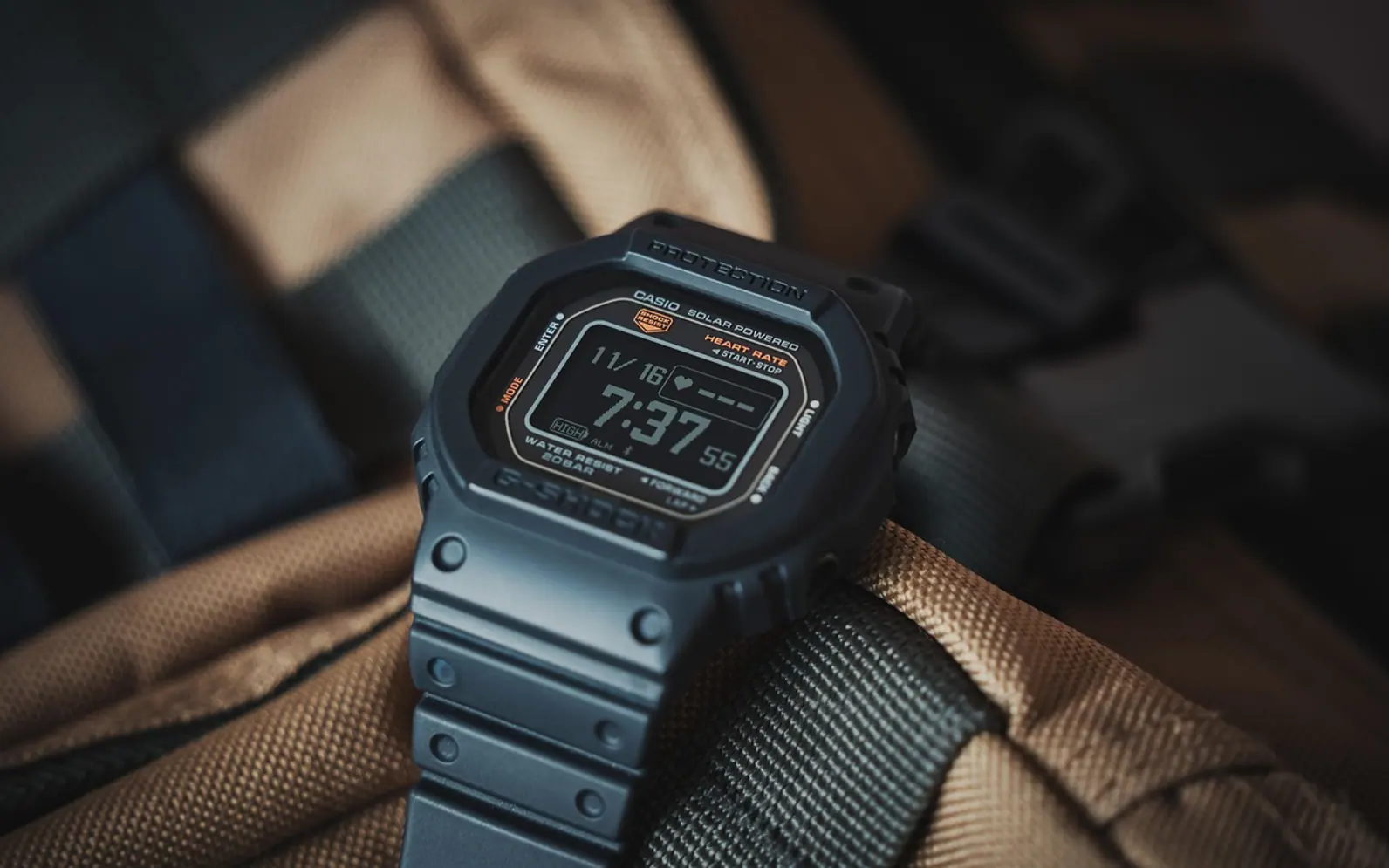
Heart rate zones are bands of effort based on a percentage of your maximum heart rate. They offer a rough way to judge how hard you are working, from very easy movement to an all-out sprint. Most schemes use five zones, and you can estimate yours with a simple sum and either a watch or a fingertip pulse check.
Step one: estimate your maximum heart rate
The most widely used shortcut is to subtract your age from 220. For a 40-year-old that gives an estimated maximum of 180 beats per minute (bpm). It is only an estimate: real maximums vary from person to person, so treat the figure as a starting point rather than a hard limit.
Some people prefer the heart rate reserve method, which also takes resting heart rate into account. You subtract your resting rate from your estimated maximum, take a percentage of the difference, then add the resting rate back on. It can suit people whose resting rate is unusually low or high. To find your resting figure, follow the steps in how to check your pulse.
The five heart rate zones
Names and exact boundaries differ between fitness bodies and device makers. A common five-zone layout looks like this, shown with an example for an estimated maximum of 180 bpm:
| Zone | % of maximum | Example at 180 bpm | How it feels |
|---|---|---|---|
| Zone 1: very light | 50–60% | 90–108 bpm | Easy movement, full conversation |
| Zone 2: light | 60–70% | 108–126 bpm | Comfortable, still talking in full sentences |
| Zone 3: moderate | 70–80% | 126–144 bpm | Deeper breathing, shorter phrases |
| Zone 4: hard | 80–90% | 144–162 bpm | Heavy breathing, a few words at a time |
| Zone 5: maximum | 90–100% | 162–180 bpm | All-out effort that can only be held briefly |
A heart rate zone calculator you can do by hand
- Work out 220 minus your age.
- Multiply that number by the lower and upper percentages of the zone you want.
- Round to the nearest whole number to get your target range.
Example for zone 2 at age 50: 220 minus 50 is 170. Multiply 170 by 0.6 to get 102, and by 0.7 to get 119, so zone 2 sits at roughly 102 to 119 bpm.
What each zone is used for
Zones 1 and 2
These easy zones suit warm-ups, cool-downs, recovery days and longer sessions such as walks or relaxed bike rides. Plenty of everyday activity naturally lands here. Zone 2 training has become popular as a way to build endurance without finishing exhausted.
Zone 3
A steady, purposeful effort, such as a brisk hill walk or a moderate jog. It feels like work but can be kept up for a good while.
Zones 4 and 5
Hard intervals and sprints. These zones are demanding, so they are usually used in short bursts with recovery in between, and they are best built up gradually over weeks.
Putting zones into an ordinary week
There is no need to plan every session around numbers. A sensible pattern for many adults is to spend most active time in the easy zones, through walks, cycling, swimming or gardening, and to add one or two shorter sessions that reach zone 3 or above once the easy work feels comfortable. Rest days matter as much as hard days. If your heart rate stays higher than usual for the same easy effort several days running, that can be a sign to ease off and recover.
What about the "fat burning heart rate"?
Some gym machines label a lower band as the fat burning zone. At easier intensities the body does draw a larger share of its energy from fat, which is where the name comes from. Harder efforts, however, use more energy overall in the same amount of time. For general health and weight management, the total amount of activity you can sustain week after week matters more than staying inside one particular band.
Practical tips
- Cross-check with the talk test. How easily you can speak is a useful guide when a watch reading looks strange.
- Allow for daily swings. Heat, dehydration, poor sleep, caffeine, stress and illness can all push heart rate higher for the same effort.
- Know your device. Wrist sensors can lag or misread during rapid changes in pace; chest straps usually follow changes more closely.
- Think in months. Regular activity in the easier zones can gradually help bring your resting heart rate down.
- Start with walking. If you are new to exercise, see how a normal walking heart rate compares before chasing the higher zones.
Who should check with a doctor first
Zone formulas do not fit everyone. Some medicines, including beta blockers, hold heart rate lower than the sums expect. If you have a heart condition, high blood pressure or diabetes, are pregnant, or have been inactive for a long time, speak to a GP before starting harder training. Stop exercising and get help if you develop chest pain, unusual breathlessness, dizziness, fainting, or a racing or irregular heartbeat.
From our side of the desk
Why our guides end with a warning list
We are three writers, not clinicians. The most useful thing we can do is explain a topic clearly and then say, without fuss, which signs deserve a professional's attention.
So every article finishes the same way. It may feel repetitive if you read several in a row, but we would rather repeat ourselves than leave out the one line someone needed.
Isolde, Dace and Leontyne
Start small
Three changes for this week
Pick one, try it for seven days, then decide whether to keep it.
Earlier last coffee
Move your final caffeinated drink to lunchtime and see how bedtime feels.
Sunscreen by the door
Keep a bottle where you pick up your keys so it joins the routine.
Morning pulse note
Count once before breakfast and write it down to build your own baseline.
Work out your five zones
Type your age for the 220-minus-age estimate. Add a resting pulse if you know it and the ladder can use the heart rate reserve method instead.
- Zone 5 · maximum–Flat out; speaking is barely possible and it only lasts briefly
- Zone 4 · hard–Breathing hard, just a few words between breaths
- Zone 3 · moderate–Breathing deeper, talking in short phrases
- Zone 2 · light–Comfortable, whole sentences still come easily
- Zone 1 · very light–Easy pottering, chatting freely
These numbers are an estimate from a formula, not a measurement, and real maximums vary. Some medicines, such as beta blockers, keep heart rate lower than the sums expect. If you have a heart condition, are pregnant or are unsure whether harder exercise suits you, check with your GP first.