What Do Heart Palpitations Feel Like?
· 4 min
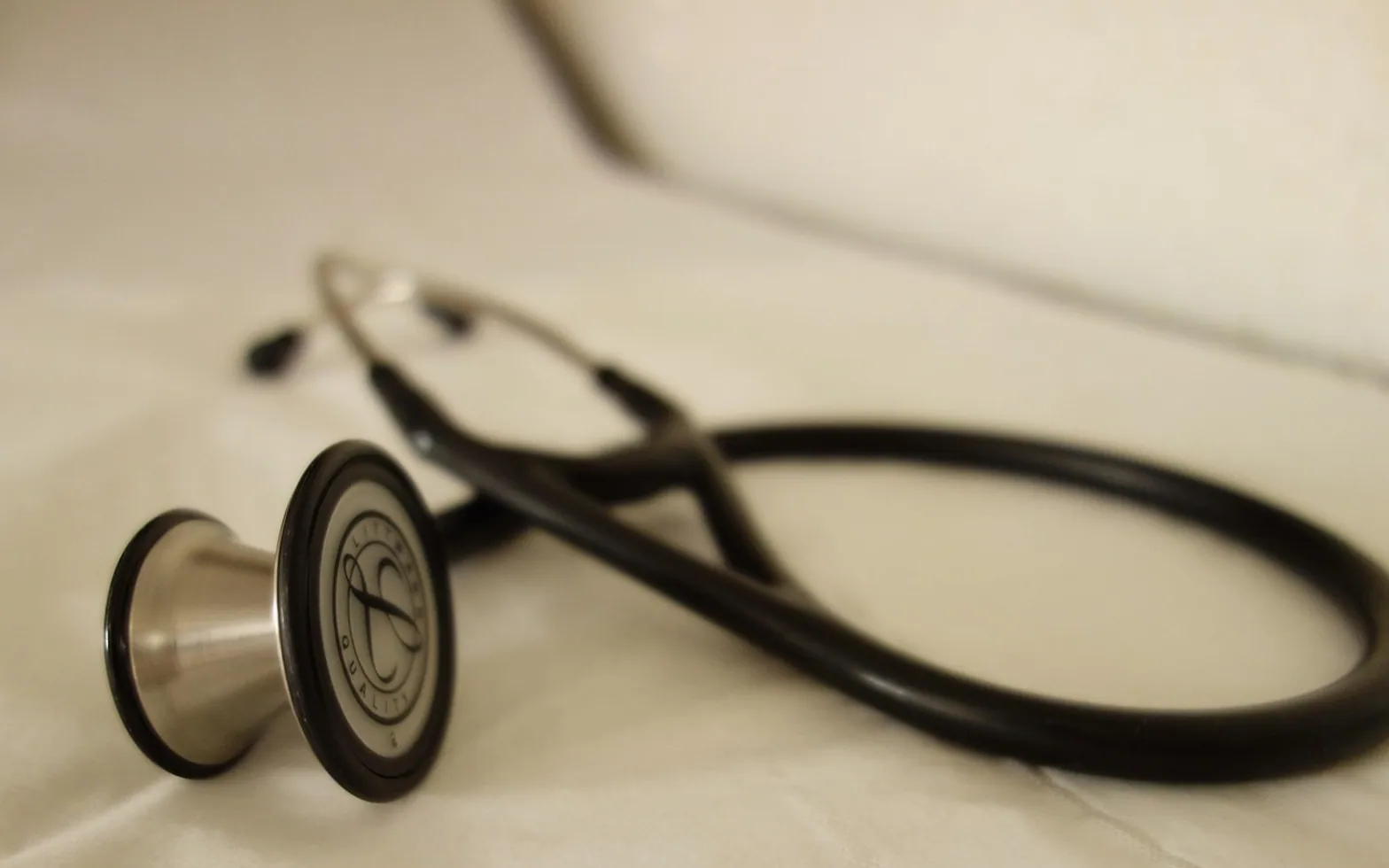
Heart palpitations feel as though your heart is suddenly pounding, racing, fluttering or skipping a beat. Some people describe a thud or a "flip" in the chest; others notice pulsing in the throat or neck. Palpitations are very common and often harmless, but because they can occasionally point to a heart rhythm problem, it helps to know what to look out for and when to get checked.
Common descriptions
| How people describe it | What it can feel like |
|---|---|
| Pounding | Each beat feels unusually strong or forceful |
| Racing | The heart seems to be going much faster than the activity calls for |
| Fluttering | A quick, light, trembling sensation in the chest |
| Skipped beat | A pause followed by a heavier beat, sometimes felt as a jolt |
| Irregular | Beats that seem to arrive without a steady pattern |
They may last a few seconds or longer, appear once and never return, or come in clusters.
What are heart palpitations, exactly?
The word describes a sensation rather than a diagnosis. Normally you are not aware of your heartbeat at all. Palpitations simply mean you have become aware of it, because the rhythm has changed, the rate has gone up, or the beats feel stronger than usual.
A frequent source of the "skipped beat" feeling is an extra beat that arrives slightly early, followed by a brief pause and then a stronger beat. Many people have these now and then without any underlying heart disease.
Common triggers
- caffeine from coffee, tea, energy drinks or some soft drinks
- nicotine and alcohol
- stress, anxiety or panic
- exercise, particularly hard or unfamiliar effort
- dehydration, skipped meals or a poor night's sleep
- fever or illness
- hormonal changes, including around periods, during pregnancy and around menopause
- some medicines, such as certain decongestants and inhalers, and some herbal products
Less often, palpitations are linked to a heart rhythm disorder, an overactive thyroid, anaemia or another condition, which is why palpitations that keep returning deserve a check.
Heart palpitations at night
Plenty of people notice palpitations mainly in bed. With fewer distractions and less noise, the heartbeat is simply easier to sense, especially when lying on the left side. A late coffee or drink, a heavy meal, worry or waking from a vivid dream can all add to it. The guide to a normal sleeping heart rate explains how the heart usually behaves overnight.
What to do during an episode
- Stop what you are doing and sit or lie down.
- Breathe slowly, letting each out-breath run a little longer than the in-breath.
- If you can, count your pulse for a full minute and note whether it feels regular or irregular. The method is set out in how to check your pulse.
- Write down the time, how long it lasted, what you were doing and what you had eaten or drunk beforehand.
Some people tap out the rhythm on a table afterwards. That small detail can be surprisingly useful to a doctor.
Reducing palpitations day to day
- Cut back on caffeine and alcohol and watch whether episodes change.
- Reduce nicotine where you can, and ask your GP or pharmacist about support.
- Drink enough water and eat regular meals.
- Protect your sleep and give stress a regular outlet.
- Build steady, regular activity; the habits that help lower resting heart rate also support a calmer heartbeat in general.
When should you worry about heart palpitations?
Call emergency services if palpitations come with chest pain or tightness, fainting or nearly fainting, or severe breathlessness.
See a GP soon if palpitations:
- keep coming back or are becoming more frequent
- last more than a few minutes
- feel very fast or very irregular
- come with dizziness or unusual tiredness
- happen when you already have a heart condition, or there is a family history of heart problems or sudden death at a young age
A doctor may listen to your heart and arrange an ECG, blood tests or a portable heart monitor worn for a day or longer to capture episodes as they happen.
Quick answers
Are heart palpitations always a sign of a heart problem?
No. Most are linked to everyday triggers such as caffeine or stress. They still deserve attention when they are frequent, long-lasting or come with other symptoms.
What helps at an appointment?
Bring your notes: dates and times of episodes, how long each lasted, what you were doing, your pulse count if you managed one, and whether the beat felt steady or irregular. Add a list of every medicine, supplement and herbal product you take, along with your usual caffeine and alcohol intake. If a phone or watch recorded anything during an episode, have it ready to show, since it can help decide which tests are useful.
Can anxiety cause palpitations?
Yes, anxiety is a common trigger. Even so, new or persistent palpitations are worth having checked rather than assuming anxiety is the cause.
From our side of the desk
Why our guides end with a warning list
We are three writers, not clinicians. The most useful thing we can do is explain a topic clearly and then say, without fuss, which signs deserve a professional's attention.
So every article finishes the same way. It may feel repetitive if you read several in a row, but we would rather repeat ourselves than leave out the one line someone needed.
Isolde, Dace and Leontyne
Start small
Three changes for this week
Pick one, try it for seven days, then decide whether to keep it.
Earlier last coffee
Move your final caffeinated drink to lunchtime and see how bedtime feels.
Sunscreen by the door
Keep a bottle where you pick up your keys so it joins the routine.
Morning pulse note
Count once before breakfast and write it down to build your own baseline.