Cleaner Alternatives: The Rise of Reusable Vapes for Former Smokers
· Updated · 3 min
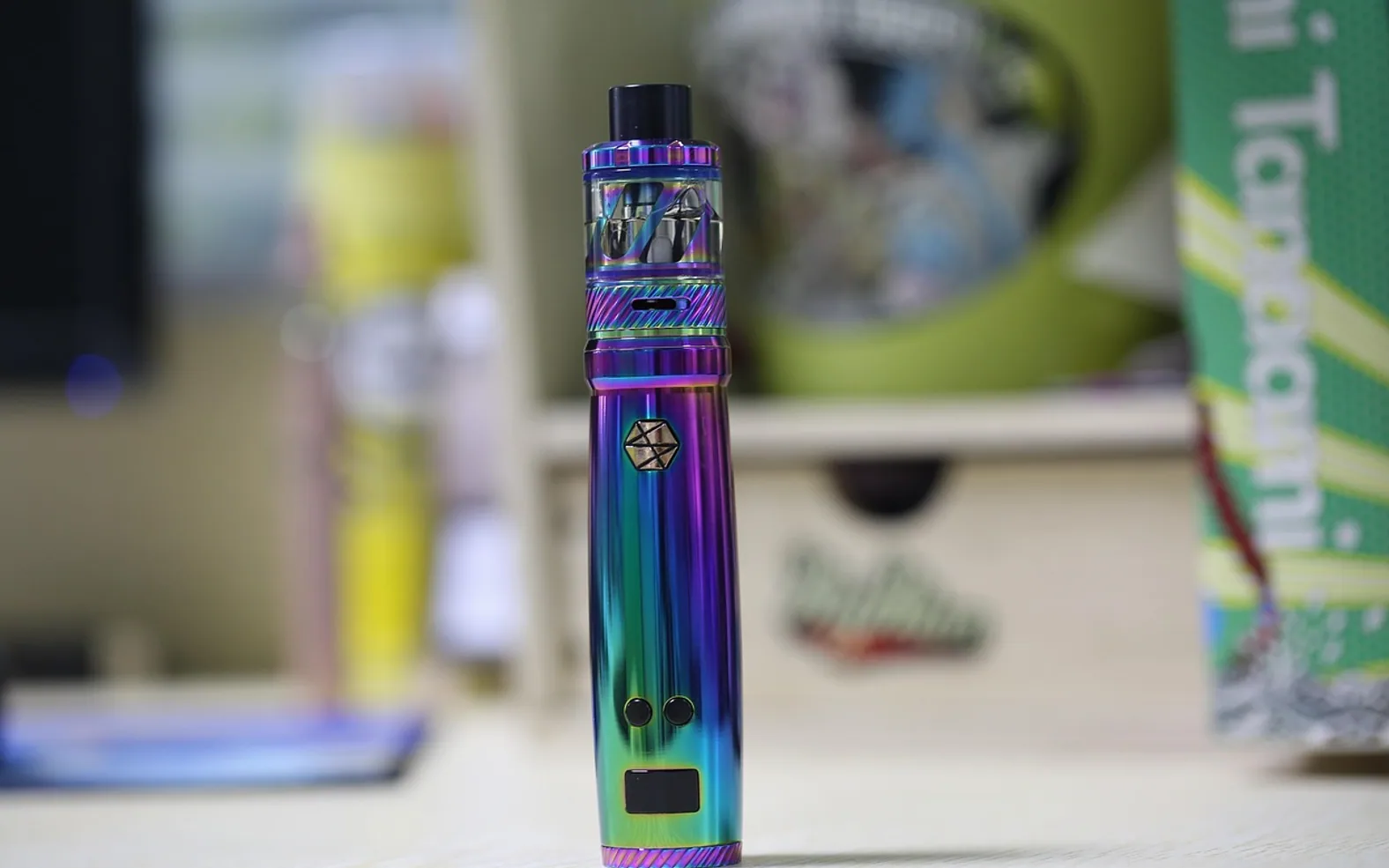
Swapping cigarettes for a vape is usually the first big step for adult smokers trying to move away from tobacco. The second step, which gets far less attention, is working out what kind of device to settle on for the long haul. A growing number of people who have already made the switch are moving from throwaway devices to reusable kits, and the reasons are more practical than fashionable.
One framing point before going further. Everything here concerns grown-ups who currently smoke or have recently swapped; vapour carries nicotine and its own unknowns, so it is never harmless, and people who have never lit a cigarette should leave it alone.
From single-use to something that lasts
Disposable devices are simple, which is why many people begin with them. Over time, though, the limits become obvious. The drawer fills with empties, the battery dies at awkward moments and every purchase is a fresh decision. A reusable device changes that pattern. You keep the same battery unit, recharge it, and replace only the part that holds the liquid. For many ex-smokers that sense of continuity helps the new habit feel settled rather than temporary.
What "cleaner" really means day to day
When former smokers describe vaping as cleaner, they usually mean very ordinary things. There is no ash to sweep up, no smell of burnt tobacco soaked into coats or car seats, and no lighter to hunt for. Vapour tends to fade faster than smoke, which many adults appreciate if they share a home with others. Reusable systems add a further layer: fewer whole devices thrown away and a tidier routine built around one familiar piece of kit.
"Cleaner" in this sense describes the experience, not a health promise. Vapour still contains substances that are not harmless, and the long-term picture is still being studied.
Comparing the main options
| Device type | How it works | Who it tends to suit |
|---|---|---|
| Disposable | Used until empty, then discarded | People trying vaping for the very first time |
| Prefilled pod kit | Rechargeable battery with clip-in pods | Those who want convenience without constant replacement |
| Refillable tank | Bottle-filled tank and replaceable coils | Users comfortable with a bit of maintenance and more choice |
Prefilled pods often hit the sweet spot for people leaving disposables behind. Options such as Hayati Pro Max pods are a popular example, offering a familiar range of flavours in a format that clicks into place with no bottles or fiddly filling involved, which many users find makes the move to a reusable setup feel effortless.
Keeping the switch on track
A few habits help a reusable device serve you well:
- Buy from established retailers and choose products that meet the safety and labelling rules where you live.
- Use the cable supplied with the kit and unplug once the battery is full instead of charging while you sleep.
- Store pods and liquids away from children and pets.
- Drop spent pods and old batteries at a dedicated electrical recycling bin, never the kitchen rubbish.
- Review your nicotine strength from time to time; some people gradually step down as their routine settles.
Stop smoking services, a GP or a pharmacist can offer free, practical support, including other options such as nicotine replacement therapy. They are well worth contacting whether you are just leaving cigarettes behind or hoping eventually to stop using nicotine altogether.
From our side of the desk
Why our guides end with a warning list
We are three writers, not clinicians. The most useful thing we can do is explain a topic clearly and then say, without fuss, which signs deserve a professional's attention.
So every article finishes the same way. It may feel repetitive if you read several in a row, but we would rather repeat ourselves than leave out the one line someone needed.
Isolde, Dace and Leontyne
Start small
Three changes for this week
Pick one, try it for seven days, then decide whether to keep it.
Earlier last coffee
Move your final caffeinated drink to lunchtime and see how bedtime feels.
Sunscreen by the door
Keep a bottle where you pick up your keys so it joins the routine.
Morning pulse note
Count once before breakfast and write it down to build your own baseline.