Beyond the Drill: How Dentists Shape Whole Body Wellness
· Updated · 3 min
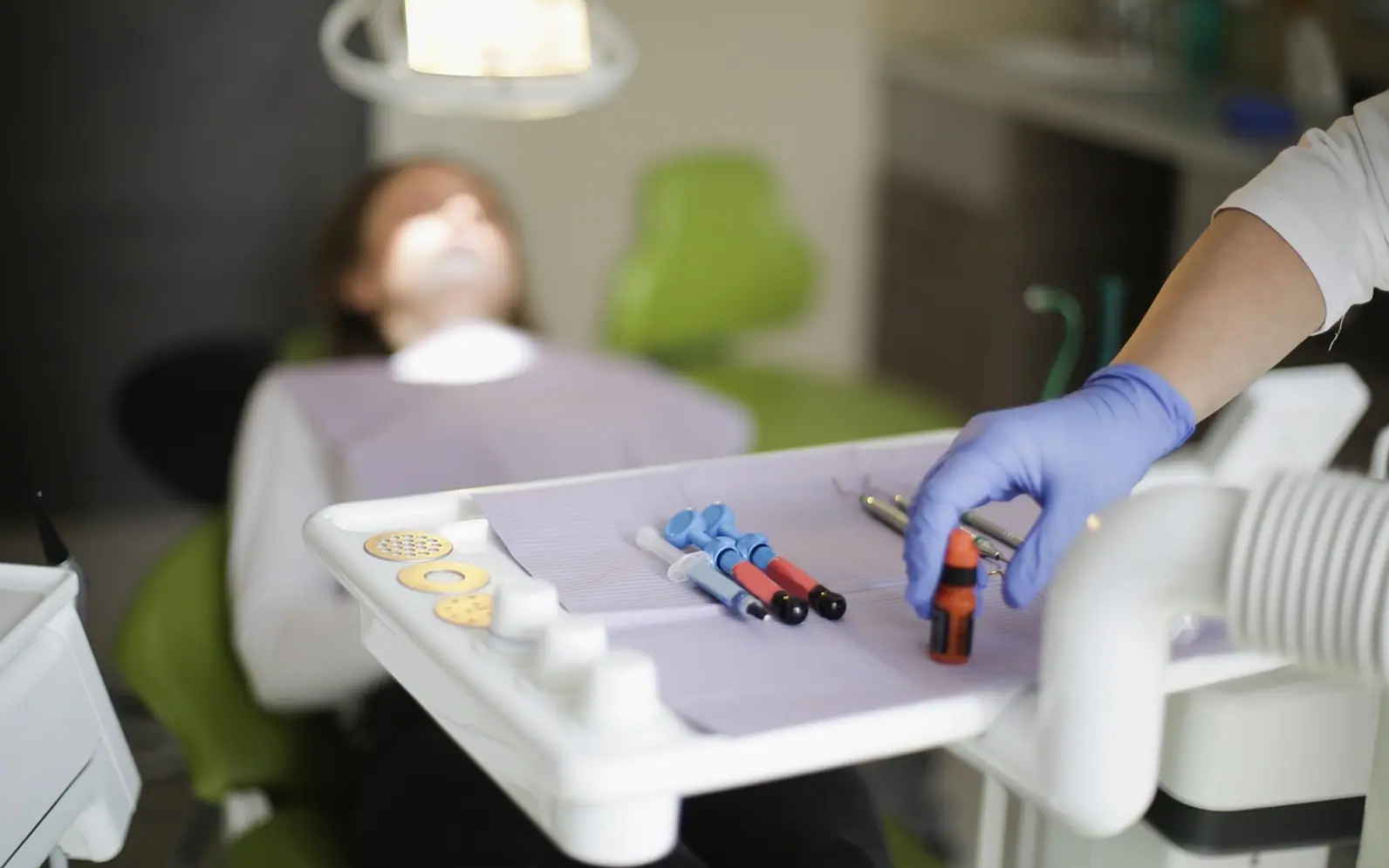
Most people book a dental appointment with one thing in mind: making sure nothing hurts and nothing needs filling. Yet the half hour in the chair often reveals far more than the state of a molar. The mouth is the entry point for food, air and bacteria, and the tissues inside it react to what happens elsewhere in the body. That makes the dentist one of the few professionals many adults see on a regular schedule even when they feel perfectly well.
What a dentist notices that you might not
During a routine examination, the dentist looks at teeth, gums, tongue, cheeks and the floor of the mouth. Some of the changes they look for can hint at wider issues worth following up:
- Gums that bleed easily or look swollen, which can signal gum disease.
- Wear patterns suggesting night-time grinding, often linked with stress or disturbed sleep.
- Thinning enamel that may point to frequent acid exposure, sometimes from reflux.
- Patches, lumps or sores that do not heal and need a closer look.
- A dry mouth, which can be a side effect of certain medicines.
None of these signs is a diagnosis on its own, but spotting them early gives you the chance to raise them with the right professional sooner rather than later.
Gums and the bigger picture
Gum disease is a long-running inflammation of the tissues that hold teeth in place. Researchers have explored links between ongoing gum inflammation and conditions such as heart disease and diabetes. The relationship is still being studied and is not a simple cause-and-effect story, but it is one more reason to treat bleeding gums as something to address rather than ignore. Keeping gums healthy is a modest, practical habit with potential benefits beyond the mouth.
Habits that carry over from the chair to the bathroom
A good appointment is partly a coaching session. Many adults brush diligently yet rarely clean between their teeth, and a quick demonstration with floss or interdental brushes can make the routine feel far less awkward. Patients looking for a Fort Worth Dentist often value exactly this kind of hands-on guidance, where the team takes time to show techniques and answer questions in plain language instead of rushing through a checklist.
Other small changes that often come up include replacing a worn brush head every few months, waiting a little after acidic food or drink before brushing, and choosing water over sugary drinks between meals.
Food, timing and tooth-friendly eating
Sugar plays a central role in decay, but how often you eat it matters as much as how much. Sipping a sweet drink slowly over a long morning keeps teeth under attack for longer than finishing a dessert in one sitting. Dentists can help patients plan snacks and drinks so that the mouth gets regular breaks. Foods such as cheese, plain yoghurt, leafy greens and crunchy vegetables are often suggested as sensible choices.
When to book in
Your dentist will recommend a check-up interval based on your own mouth, and that can differ from one person to the next. Do not wait for the next routine visit if you notice persistent pain, swelling, bleeding gums or a sore that lasts more than a couple of weeks. If something in your mouth seems connected to a wider health concern, your dentist and GP can work together so nothing falls through the gaps.
From our side of the desk
Why our guides end with a warning list
We are three writers, not clinicians. The most useful thing we can do is explain a topic clearly and then say, without fuss, which signs deserve a professional's attention.
So every article finishes the same way. It may feel repetitive if you read several in a row, but we would rather repeat ourselves than leave out the one line someone needed.
Isolde, Dace and Leontyne
Start small
Three changes for this week
Pick one, try it for seven days, then decide whether to keep it.
Earlier last coffee
Move your final caffeinated drink to lunchtime and see how bedtime feels.
Sunscreen by the door
Keep a bottle where you pick up your keys so it joins the routine.
Morning pulse note
Count once before breakfast and write it down to build your own baseline.